Blackford County Council Approves $11.3 Million Tax Break for RWE Wind Farm
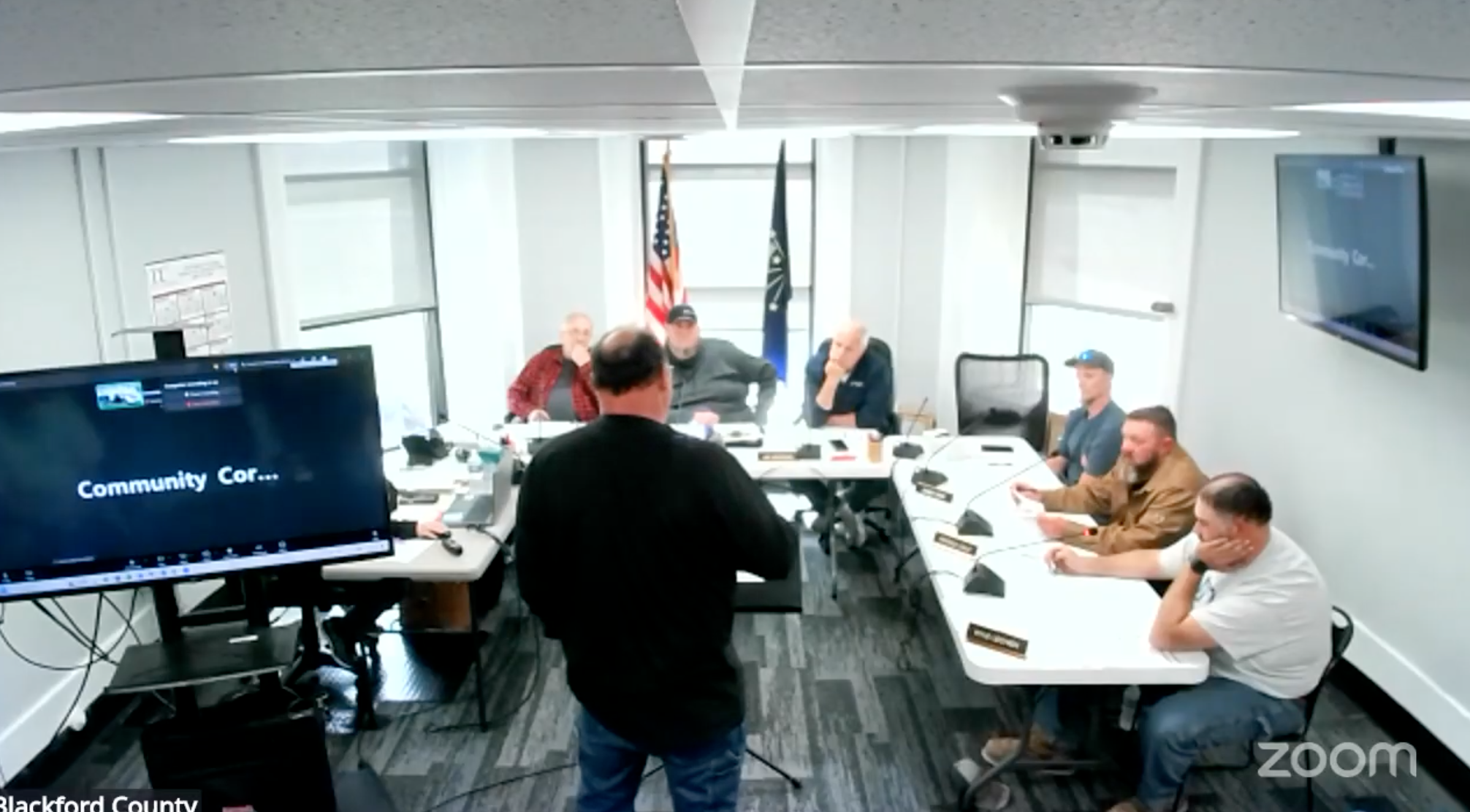
The Blackford County Council voted 6-0 on May 6 to approve a 10-year, 75% property tax abatement for RWE's Prairie Creek Phase 2 wind project — a $250 million, 103.5-megawatt wind farm with 23 turbines spread across roughly 10,000 acres in Washington, Licking, and Harrison townships.
Financial consultant Baker Tilly presented the fiscal impact. Without the abatement, RWE would pay approximately $1.5 million in property taxes in year one and up to $2.2 million in year two. With the 75% abatement, the company will pay roughly $316,000 per year for the first 10 years — saving $11.3 million total.
Baker Tilly explained that Indiana's property tax caps limit how much new revenue the county can actually collect from any development, meaning the primary benefit for existing taxpayers would be a modest reduction in tax rates. However, the consultant emphasized that the Economic Development Agreement payments represent "new money" that the county can direct toward specific projects or expenses, whereas standard property taxes are subject to state-mandated distribution formulas.
RWE will pay $7.8 million to the county over 10 years through the Economic Development Agreement. Developer Will Kob told the council that the goal is "to be an active part of the community and to include more residents in the project" through these agreements, noting that the combined EDA and good neighbor payments roughly equal the tax savings the company gains from the abatement. A committee to decide how those EDA funds are spent has not yet been formed.
The company also announced voluntary good neighbor agreements offering $1,000 per year, increasing 2% annually, to households within 1,750 feet of a turbine. The agreements are private contracts.
The structure of these financial arrangements became a flashpoint during the public hearing. Several residents questioned the lack of transparency around how EDA funds would be allocated, with some expressing concern that the money could be used for purposes other than general public benefit. Critics argued that the private agreements operate outside standard public processes, creating confusion about where the money goes and why the deals were not made public record. Some community members said the arrangements allow the company to bypass standard taxation, which they argued should be the primary method for funding community needs.
Beyond the financial structure, the vote followed a contentious public hearing. Supporters cited the county's economic needs, while opponents raised concerns about conflicts of interest among council members and called for the vote to be delayed until a recently hired third-party auditor completes its review. Council member Jack Beckley, participating by phone, was disconnected before the vote and did not cast a ballot.
Residents in Washington Township could see a 5-cent drop in their property tax rate during the abatement period, with a larger 20-cent reduction after the abatement expires in 10 years.
Source: YouTube transcript — County Council meeting, May 6, 2026
Some information may be inaccurate due to video audio quality.
About our reporting: The Blackford Ledger builds its government coverage from official public records, and every report is reviewed by an editor before publication. Read our Editorial Policy & Corrections or request a correction.